Corporate Mobility: Best Practices for Relocating Employees to New York

Relocating employees to New York remains one of the most powerful tools in a company’s growth strategy, yet it is also one of the most complex. Between the city’s famously competitive housing market, evolving labor regulations, and the logistical demands of moving households across state lines, organizations that approach corporate mobility without a clear plan often lose time, talent, and money. The companies that succeed are the ones that treat employee relocation not as an administrative afterthought but as a strategic investment in their workforce.
Start With a Clear Relocation Policy
Every successful employee relocation begins long before the first box is packed. A well-defined corporate relocation policy sets expectations for both employer and employee, covering everything from moving expense reimbursement and temporary housing allowances to spousal employment support. Companies relocating talent to the New York metro area should pay particular attention to cost-of-living adjustments, since median asking rents in Manhattan now exceed $3,600 per month and upfront move-in costs can easily reach $10,000 or more. A transparent policy helps employees focus on their new roles rather than worrying about logistics.
Pro Tip: Include a dedicated relocation liaison or project manager as a single point of contact for each transferring employee. Having one person who understands the full scope of the move, from housing timelines to IT setup at the new office, dramatically reduces miscommunication and delays.
Navigate New York’s Regulatory Landscape
Companies relocating employees to New York in 2026 must be aware of the state’s evolving legal environment. New York’s “Trapped at Work” Act, signed in late 2025 and amended in early 2026, restricts repayment clauses that require employees to reimburse relocation costs if they leave before a specified period. While the amended law permits certain repayment structures under specific conditions, the December 2026 effective date gives employers a narrow window to update their policies. Working with legal counsel to review any clawback provisions in existing relocation agreements is essential.
Coordinate the Physical Move With Precision
The logistics of relocating an employee’s household to the New York metro area deserve the same project-management rigor that companies apply to office relocations. This means coordinating packing and transit schedules, arranging temporary housing, and ensuring workstation setups are ready on day one. Companies with operations spanning the tri-state area and Florida benefit from working with a commercial moving partner that can manage both corporate and residential sides of a relocation seamlessly.
Pro Tip: Schedule the employee’s start date at the new location at least one full week after their household goods are delivered. This buffer allows time to unpack, set up utilities, and handle the inevitable minor issues that arise with any move, so the employee arrives at work focused and settled rather than frazzled.
Support the Whole Person, Not Just the Employee
Relocation does not happen in isolation. When a company transfers an employee to New York, it often moves the family. Spousal career support, school enrollment guidance, and connections to local resources all play a role in whether a relocation succeeds in the long term. Companies that invest in family support services see higher retention rates and faster ramp-up times. For international relocations, cultural orientation and language support become equally critical. The goal is to make the new city feel less like a disruption and more like an opportunity.
Think Beyond the Move Itself
The best corporate mobility programs extend well beyond moving day. Post-relocation check-ins at 30, 60, and 90 days help identify unresolved issues before they become reasons an employee starts looking elsewhere. Ongoing workplace services, such as office reconfiguration and technology support, ensure the workspace is optimized for the relocated team’s workflow. A relocation is not complete when the truck is unloaded. It is complete when the employee is productive and plans to stay.
Build a Relocation Strategy That Retains Top Talent
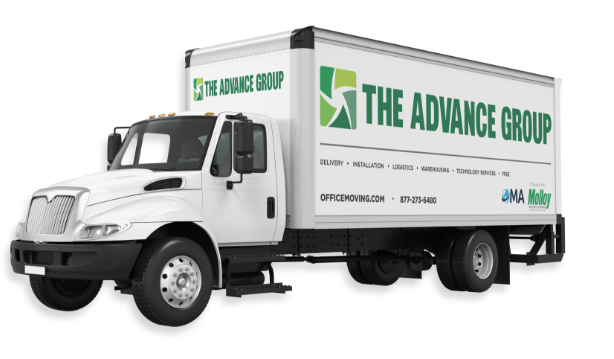
Whether you are moving a single executive to Midtown Manhattan or relocating an entire department to a new office in Harrison, New Jersey, The Advance Group brings decades of experience in corporate employee relocation across New York, New Jersey, and Florida. From move planning and logistics to workplace setup and ongoing support, our team ensures that every relocation strengthens your organization. Contact The Advance Group to start planning your next employee relocation.
 877-273-6480