Patient Care Comes First: Planning a Medical Office Move in New Jersey
Relocating a medical practice is different from moving a traditional office. Patient charts carry regulatory weight, schedules do not pause for a build-out, and a single day of unplanned closure can push dozens of patients into a rescheduling backlog that takes months to clear. For a New Jersey practice moving from Harrison to Jersey City or from Paramus to Morristown, the plan has to be built around patient care. Here is how experienced commercial moving teams approach a medical office relocation.
Start the Timeline From the Regulatory Calendar
The lease drives most commercial moves. The licensing calendar drives medical moves. A practice cannot see patients at a new address until it meets New Jersey Department of Health facility licensing and Certificate of Need requirements for the applicable service line, and Medicare-participating practices must file a change of location using the CMS-855 enrollment application so claims keep processing. Private insurers, malpractice carriers, and the Division of Consumer Affairs also need to address updates on their own timelines. Work backward from those deadlines to avoid a licensing gap.
Protect PHI at Every Handoff
Patient records live under the HIPAA Privacy Rule whether they sit in a filing cabinet, a workstation hard drive, or a box on a moving truck. The HHS summary of the Privacy Rule requires reasonable safeguards on protected health information during transit. A moving crew that hasn’t signed a Business Associate Agreement isn’t the right team to handle paper charts unsupervised. Chart rooms should be inventoried, sealed, and tracked by numbered container, and workstations and servers holding ePHI need chain-of-custody documentation.
Pro Tip: Ask the moving partner for a written HIPAA handling plan before the walk-through. It should name crew members with PHI access, describe the container tracking method, and identify where sealed containers stay when the truck is unattended. A vendor that cannot produce that plan on request is not equipped for a medical move.
Sequence the Move Around the Appointment Schedule
Closing the practice for a full week is rarely necessary. A well-planned move compresses the disruption to two or three days by staging equipment moves ahead of the patient-facing shutdown. Non-clinical furniture and back-office files move a week in advance. Exam room contents, front-desk systems, and telephones move over a long weekend. The practice sees patients through Thursday at the old suite and opens a limited Monday schedule at the new one, with a light Monday-Tuesday book that leaves time to work through issues before returning to normal on Wednesday.
Handle Medical Equipment as a Separate Workstream
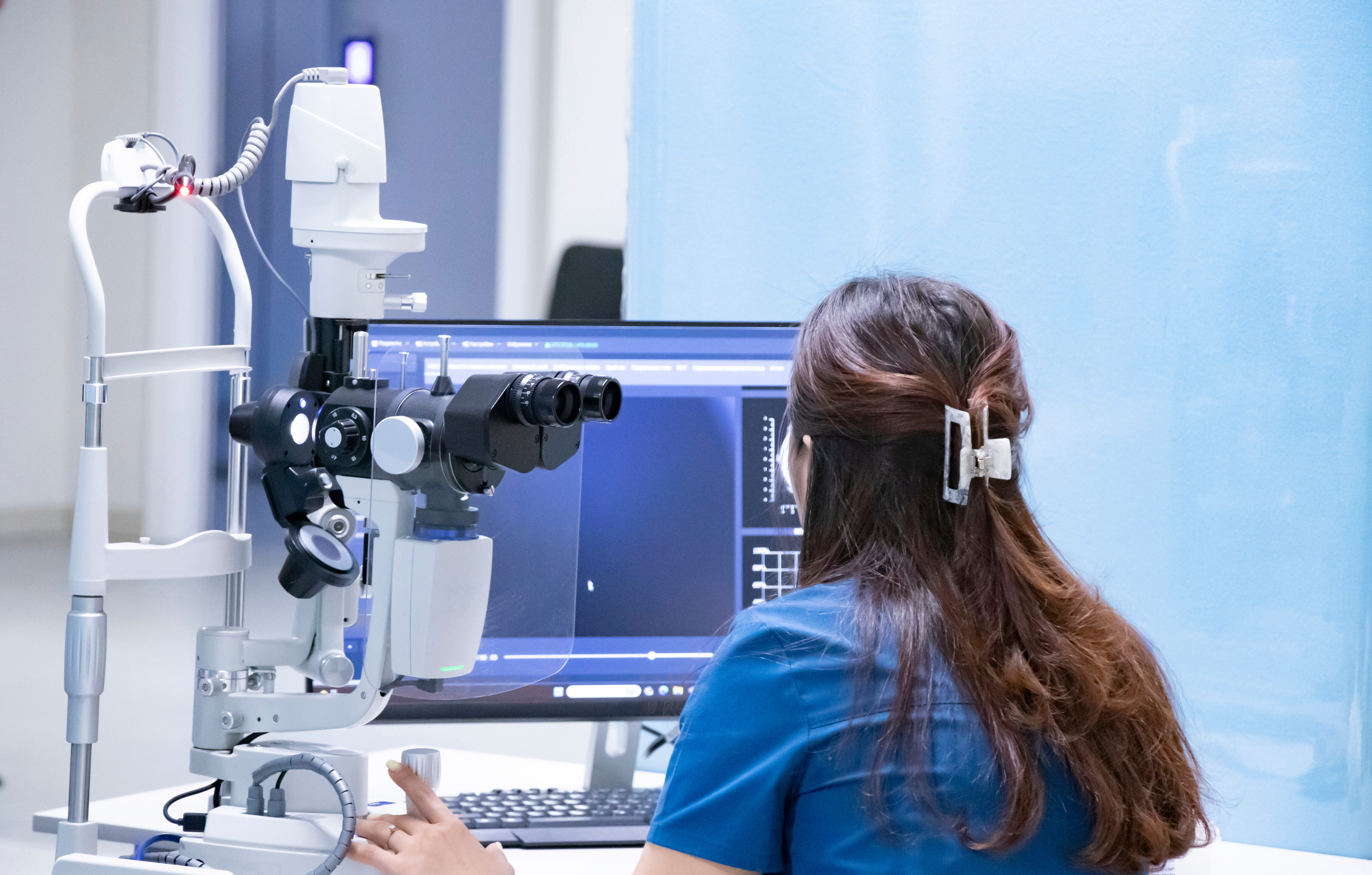
Exam tables, autoclaves, refrigerated vaccine storage, and specialty instruments each carry their own requirements. Vaccine refrigerators cannot lose the cold chain, and CDC-recommended handling for the Vaccines for Children program requires temperature monitoring throughout transport. Imaging equipment such as ultrasound, mammography, C-arms, and DEXA scanners typically needs de-installation and re-installation by the manufacturer or a certified service vendor, not the moving crew. A voided warranty costs more than the moving invoice, so review calibration certificates and biomedical service contracts for each major asset before the move date.
Plan Front-Desk Technology and Phone Continuity
The moment patients cannot reach the office is the moment appointments start to slip. Practice management, EHR, patient portals, card terminals, telehealth, and the main phone number must be live at the new address before the first patient walks in. Port the phone number early and set an auto-attendant with the new address and any temporary hours. Confirm the technology services team has staged network drops in the exam rooms, and test EHR access from each workstation the day before opening.
Pro Tip: Send patient notifications twice. Send a first message four to six weeks out with the new address and opening date, and a second reminder the week before the move with driving directions, parking information, and the closest transit stop. Practices that skip the second reminder see a higher no-show rate the week after the move.
Ready the New Suite for Day One
Finish furniture installation before exam-room contents arrive, update signage to reflect the new location, and ensure the waiting-room flow works as designed. Walk the space with the office manager and at least one clinical lead before opening day, ideally with the moving supervisor present, so any last adjustments happen while the crew is still on site.
Move Your New Jersey Medical Office With Confidence
Medical relocations reward preparation and punish improvisation. The Advance Group provides coordinated commercial moving and move consulting for New Jersey medical practices relocating within Harrison, Jersey City, Newark, Morristown, and the surrounding counties. Our teams work alongside office managers, biomedical vendors, and EHR administrators to keep the clinical schedule protected while the physical move happens on plan. Contact The Advance Group to talk through your New Jersey medical office move.

 877-273-6480